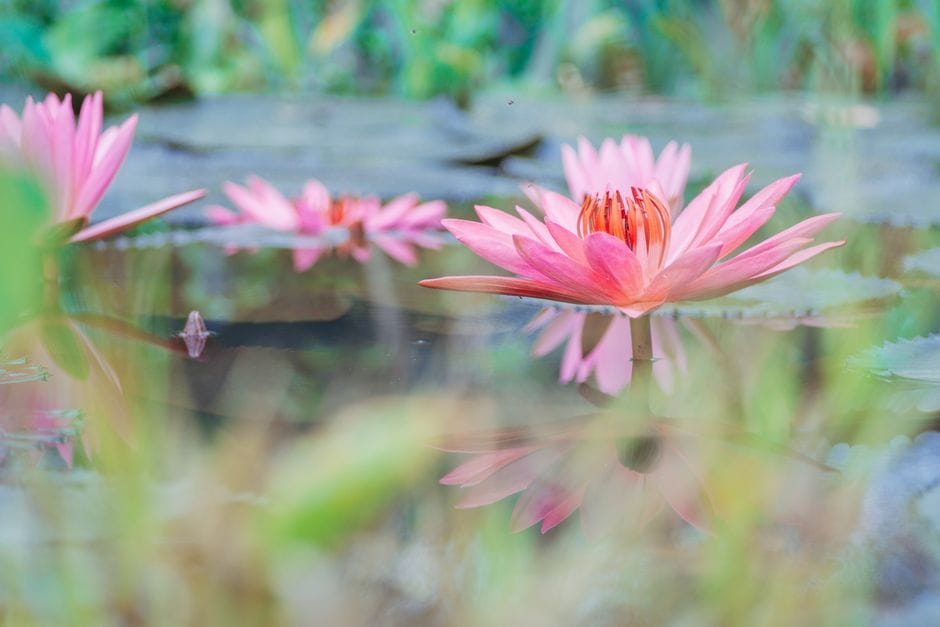
A pond is the single best thing you can add to a garden for wildlife. Within weeks of filling it, you will have insects skating the surface and birds coming to drink; within a season, perhaps frogs. Even a small one transforms the life of a plot.
Pick the spot
Choose a level site that gets sun for at least part of the day but is not directly under trees, whose falling leaves will clog the water. Away from the deepest shade, a pond supports far more life and grows fewer problems.
Digging and shelving
The shape under the water matters as much as the size. Gentle shelves are what bring the wildlife in.
- Make at least one side a gently sloping beach.
- Dig a deeper central zone of around sixty centimetres.
- Cushion the hole with sand or old carpet before the liner.
Lining and filling
A butyl liner, draped into the hole and weighted at the edges with stones and soil, holds the water. Fill it with rainwater from a butt if you can, as tap water is rich in the nutrients that feed a green algal bloom.
Plant and be patient
Add a few native oxygenating and marginal plants, then leave it alone. Nature finds water remarkably fast. That gently sloping beach is vital: it lets creatures climb out, hedgehogs included, and keeps the pond safe around small children.