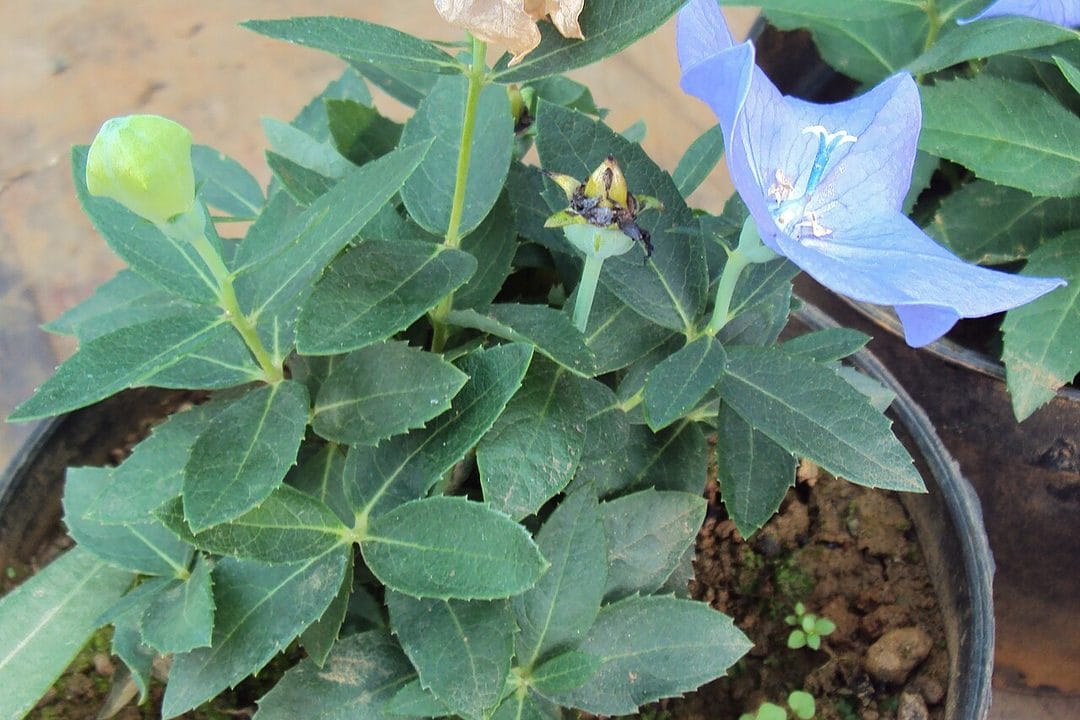
Come back from a week away in late June and the garden tells on you. The lawn has gone the colour of a digestive biscuit, something in the border has bolted and gone to seed, and a tomato that was fine on Monday is now wearing brown shoulders. There is a particular grief to a garden that carried on without you, and it is worth sitting with before you reach for the hose and try to undo it all in one panicked evening.
The damage you can't water back
Most people treat a dry spell as a watering problem, and a lot of it is. But some of what a heatwave does is permanent for this season, and pretending otherwise just wastes the water you've got. Once a delphinium or a lupin has flopped and snapped at the base in 30-degree heat, it is not standing back up. Once lettuce or rocket has bolted — sent up a flower spike and turned bitter — there is no feeding it back into a salad leaf. The plant has made a decision about its own future and it did not consult you.
So the first job after a hot week is not rescue. It is honest triage. Walk the whole plot once with a bucket and secateurs and no hose, and sort everything into three piles in your head: things that are stressed but alive, things that are finished for the year, and things that were never going to make it in this spot and have now proved it. The third pile is the useful one. A clematis that scorches against a south-facing fence every single July is telling you something a plant label never will.
Triage by bed, not by panic
What to save first
Water goes to the plants that can't be replaced and the ones that are about to crop, in that order. A ten-year-old hydrangea or an established Japanese maple is worth a full watering can to the roots in the cool of the evening; a tray of bedding from the garden centre is not, however sorry it looks. If you grow vegetables, the tomatoes, courgettes and runner beans that are actively setting fruit get priority over anything ornamental, because they are converting your water into food and they do it on a deadline.
- Trees and shrubs planted in the last two years — their roots haven't gone deep enough to ride out a drought on their own.
- Anything in a container, which dries out faster than the ground and has nowhere else to send its roots.
- Food crops at the fruiting stage, where missing a week now costs you the whole crop later.
- Newly turfed or seeded lawn, which is the one bit of grass actually worth saving.
The established lawn is not on that list, and this is where people waste the most water. A brown lawn in a British summer is dormant, not dead. It greens up within a fortnight of proper rain, every time, and the patch you exhaust yourself sprinkling each evening will look identical by September to the one you ignored.
What to let go
Letting plants die on purpose feels wrong, which is exactly why it's worth saying plainly: some things should be allowed to finish. Spring bedding that's gone leggy, oriental poppies that have collapsed into a yellowing heap, the second sowing of salad that bolted in the heat — cut them down, compost them, and free up both the water and the space. A bolted crop pulled now is a bed you can sow with something autumn-friendly in three weeks. A bolted crop nursed along out of guilt is just a slow disappointment taking up room.
The slow problems hiding behind the obvious ones
The wilting is loud and it grabs all your attention. The quieter damage is what costs you in August. Pots that have dried out completely don't just need water — peat-free compost, which is now the standard since the retail ban on bagged peat came in, repels water badly once it's gone bone dry, so it sheds the hose straight off the surface and out the drainage holes while the rootball stays dry as a brick. Stand those pots in a tray or a bucket of water for half an hour and let them drink from below, or you'll keep watering plants that never get a drop.
Then there's what the heat invited in. Red spider mite thrives in hot, dry air and quietly stipples the leaves of anything under glass, so a greenhouse left shut through a hot week is the perfect nursery for it. Powdery mildew is the other one — it loves drought-stressed plants with dry roots and humid leaves, which is precisely what you create by splashing water over the foliage of a thirsty courgette in the evening. Water the soil, never the leaves, and you sidestep half of it.
Setting up so the next hot week costs less
The cheapest watering is the watering you don't have to do, and almost all of it comes down to mulch. A 5cm layer of bark, garden compost or even grass clippings over a bed cuts evaporation from the soil dramatically and keeps the roots cooler; a bag of composted bark from B&Q or Wickes runs around £5–£7 and covers a decent stretch of border. Lay it on soil that's already damp, not bone dry, or you'll just be capping in the drought. For containers, the honest fix is fewer, bigger pots — a small terracotta pot in full sun can dry out twice a day in a heatwave, which no working person can keep up with. If you're going away again, a few cheap watering spikes from Screwfix screwed into upturned bottles will buy a plant three or four days; they won't save a thirsty tomato through a fortnight, but they'll hold the line.
Walk the plot one more time before you start. The garden that survived the week without you has already shown its hand. Water the maple, cut down the poppies, and let the lawn go brown in peace.