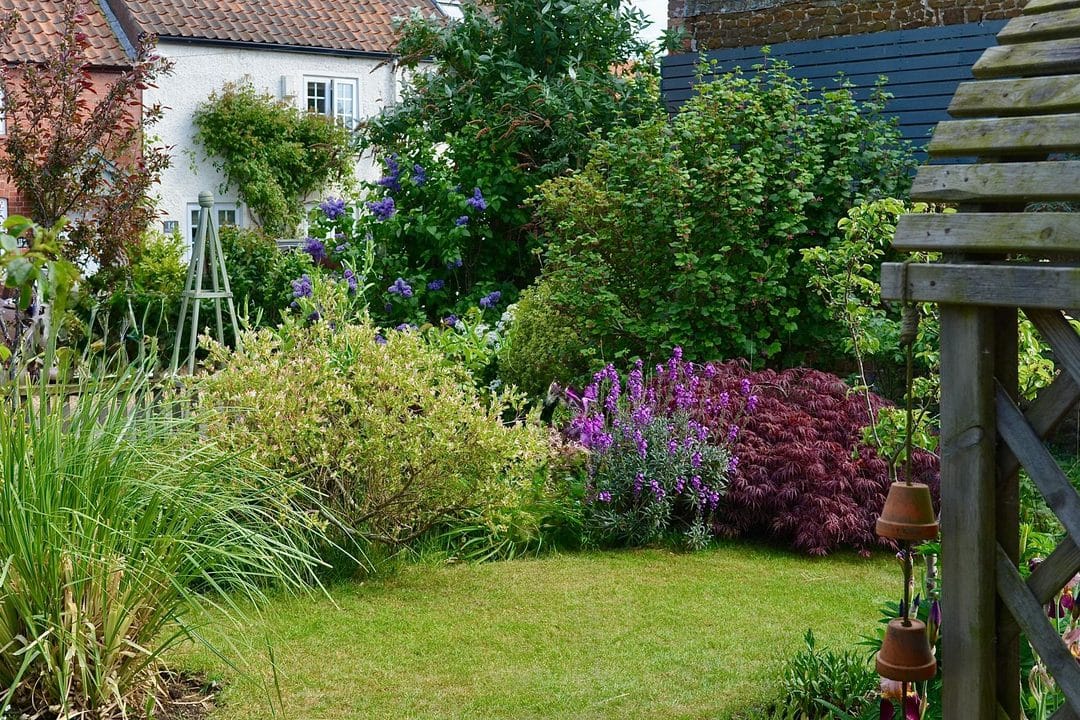
There is a fortnight, usually the last week of June running into early July, when a UK garden quietly stops being about getting things going and starts being about keeping them going. The lettuces have bolted, the first courgette has turned into a marrow overnight, and the roses are halfway through their first proper flush. Miss this window and the garden coasts: the borders thin out by August and the veg patch hands you everything at once in mid-July, then sulks. Work with it now and you stretch the good stuff well into October.
None of what follows is glamorous. It is the unshowy hour-here-and-there work that separates a garden that looks tired by the August bank holiday from one that is still pulling its weight when the children go back to school. So put the kettle on, and let's go round it properly.
Keep sowing — the gap you'll regret in September is being made now
The single biggest mistake I see at this time of year is treating sowing as a spring job that's finished. It isn't. The beds clearing now, where the broad beans and early lettuce have come out, are exactly the space you want filled before the weeds claim it. French beans sown direct into warm soil in the last days of June will crop from late August; you've genuinely missed nothing by waiting. Beetroot, chard, spring onions and a fast turnip such as 'Snowball' all still have time.
For salad, sow little and often rather than a whole packet in one go — a short row every fortnight keeps you in leaves instead of giving you a glut that bolts in the heat. A packet of Suttons or Thompson & Morgan lettuce seed runs about £2.50–£3.50 and will see you through several sowings. Sow in the cool of the evening and water the drill, not the bed, so the moisture goes where the seed is.
One that surprises people: this is the moment to start thinking about spring 2027. Sow biennials now — wallflowers, foxgloves, sweet William — in a spare seed tray, and you'll have sturdy plants to go out in autumn for next year's display. It feels absurd to sow for next spring while this summer is still warming up. Do it anyway.
Feed the hungry, and know which plants those actually are
By late June the spring compost in your pots and grow bags is running out of steam. Tomatoes, in particular, are now putting energy into fruit rather than leaf, and they want potassium. A high-potash tomato feed — Tomorite is the one most people reach for, around £4–£6 for a litre at Wickes or B&Q — once or twice a week, diluted properly, is the difference between a decent crop and a sulky one. The same feed works on courgettes, peppers, and any flowering container plant.
Roses are the other big feeder. After the first flush fades, a granular rose feed worked lightly into the soil and watered in will fuel the second flush. Don't overdo the nitrogen, though — soft, sappy growth from too much feed is exactly what greenfly and blackspot love.
A few things you should not feed now:
- Established trees and shrubs — they don't need it, and late feeding can push tender growth that won't harden before autumn.
- Anything you've just planted that's still settling its roots; let it establish first.
- Lawns, if we hit a genuine dry spell — feeding stressed, dry grass scorches it. Wait for rain.
The container plants are the priority. A hanging basket holds a tiny volume of compost and a lot of thirsty roots, so it exhausts its nutrients faster than anything in the ground. Get into the habit of a weak liquid feed every time you water the baskets, and they'll keep flowering rather than going leggy and bare at the base by August. It's a five-minute job that pays you back for two months.
Deadhead, pinch and cut back — the work that buys you a second act
Deadheading isn't tidying. It's a signal you're sending the plant: you're telling it that its attempt to set seed has failed, so it had better try again. Roses, sweet peas, cosmos, dahlias, bedding — keep the spent flowers off them and they keep producing. Sweet peas are the strictest of the lot; let half a dozen pods form and the whole plant decides its job is done and stops flowering within a week.
Hardy geraniums and catmint that have gone over and flopped can be cut hard back, almost to the ground. It looks brutal. Within three weeks you'll have fresh mounds of foliage and, often, a second flush of flower — the so-called Chelsea chop's late cousin. Oriental poppies, now collapsing into untidy heaps, can have the lot removed; new leaves will follow.
The garden in late June rewards a slightly ruthless hand. The instinct to leave everything alone because it's flowering is the instinct that gives you a sea of brown by August.
This works beautifully on most things — unless you actively want the seedheads. Honesty, teasels, alliums and ornamental grasses earn their keep into winter and feed the birds, so leave those well alone. It's a judgement call per plant, not a blanket rule.
Stay ahead of the trouble that arrives with the warmth
Warm, close weather is when blight, mildew and the pests turn up together. You won't stop all of it, but late June is when vigilance is cheap and neglect is expensive. Check the undersides of leaves — that's where the aphids and the first signs of mildew hide. A firm jet of water knocks most aphids off; a squirt of an organic insecticidal soap such as Doff or Vitax handles the rest without nuking the ladybirds and lacewings that are doing the job for you.
On tomatoes, especially outdoor ones, watch for the brown blotches of blight after a muggy spell. There's no cure once it takes hold, so the move is prevention: keep the foliage dry, water the soil rather than the leaves, and give the plants room to breathe. Outdoor blight tends to arrive from July onwards in much of the UK, so a fortnight of clean growth now is worth protecting.
Slugs and snails are still about after any rain. Beer traps, copper tape on pots, and a torchlit patrol on a damp evening do more than most pellets — and if you do reach for pellets, the ferric phosphate kind (sold as organic-approved) are safer around pets and hedgehogs than the old metaldehyde ones, which were banned from sale in the UK in 2022 anyway.
And the watering can question everyone asks
Water deeply and infrequently, not a daily splash. A proper soak two or three times a week sends roots down to find moisture; a light daily sprinkle keeps them lazy and shallow, which is the worst place for them to be in a real dry spell. Early morning beats evening — the foliage dries before nightfall, which gives slugs and mildew less of an opening. Pots and new plantings are the exception and will want checking daily in the heat.
Get the late-June jobs done and the garden stops being a thing you rescue in August and becomes a thing that keeps giving. Skip them, and you'll be standing in front of a tired border in six weeks wondering where the summer went.