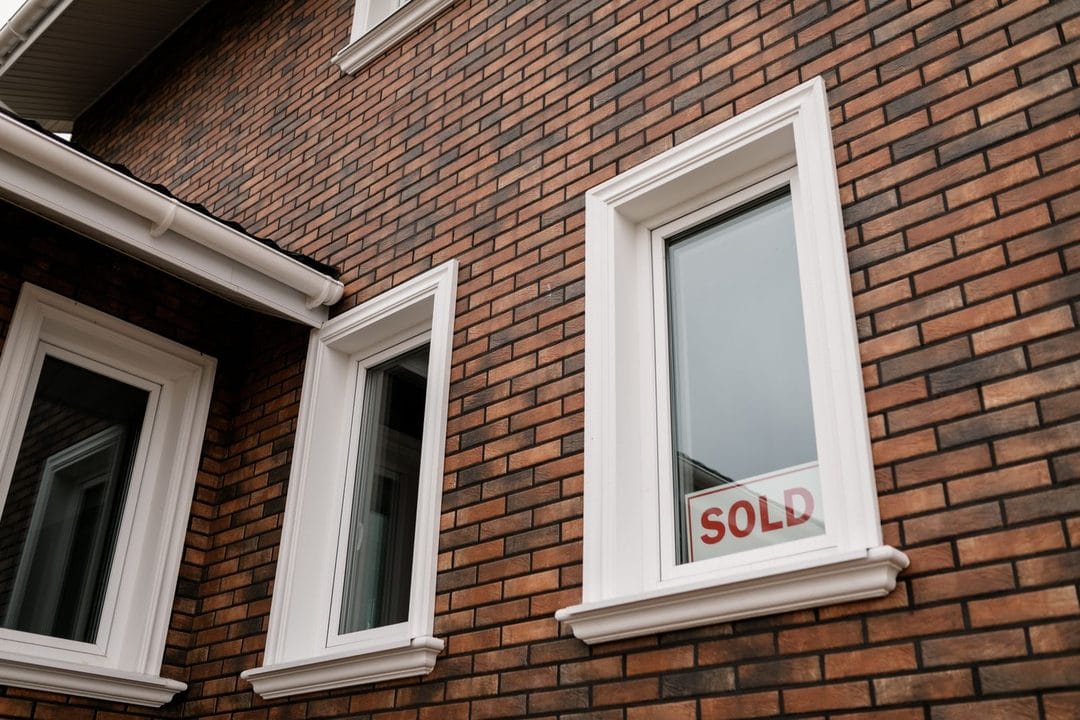
Picture this: you've had an offer accepted, the survey is booked, you've even started collecting flattened boxes from the local Co-op — and then, ten days before the date you'd pencilled in for completion, your solicitor rings with the kind of call nobody wants. The seller two links up the chain has pulled out, and now everyone underneath them, including you, is stuck waiting to find out whether the whole thing can be rescued.
September is exactly when this starts happening in numbers. Rightmove logged a 14% jump in new listings at the start of the month, the usual sign that sellers are testing the market again after the summer lull. At the same time, the total number of properties actually for sale nationally is still running about 13% below last year. Buyers, in other words, are competing over a genuinely tight pool of stock, and every one of those deals now sits inside a chain that can only move as fast as its weakest link. A first-time buyer with no onward chain barely notices any of this. Anyone selling one property to buy another, though, is now exposed to strangers they've never met three or four transactions further along, and understanding what a broken chain actually costs — and what you can realistically do about it — matters a lot more than the paint colour you've picked for the hallway.
Why Chains Snap — And It's Rarely the Reason You'd Guess
The popular image is a seller getting cold feet at the altar. In practice, most breaks come from somewhere more boring and more predictable than that. A mortgage offer gets pulled or down-valued after the lender's own surveyor comes back with a lower figure than the agreed price, and suddenly the buyer can't raise the difference. A buyer's own survey turns up something — subsidence, an unrecorded extension, knotweed near a boundary — that either kills the deal outright or restarts negotiations from scratch. Sometimes nobody does anything wrong at all; a buyer simply runs out of patience three months into a chain that hasn't moved, and pulls out to look elsewhere. A recent seller survey found that nearly half of people currently sitting in a chain had already experienced some kind of disruption to it: 7% watched their chain collapse outright, a further 10% saw their own sale fall through separately, and another 10% lost money on legal, survey or mortgage costs even though the sale eventually limped over the line.
Nobody breaks a chain over paint colour.
The longer the chain, the more exposed you are to a link you've never met and have no relationship with. A first-time buyer at the bottom, no onward chain of their own, is in the safest position. Everyone from the middle upward is at the mercy of strangers three or four transactions away, and there's no legal mechanism in England and Wales that stops any of them walking away right up until exchange — the entire system runs on goodwill, deadlines and a solicitor's ability to keep four or five separate transactions moving in step.
What a Broken Chain Actually Costs You
The headline figure that gets quoted most often is £3,337 — the average loss reported per collapsed sale, covering the survey, legal fees and mortgage application costs that don't come back once the transaction dies. That's a national average across every price band and every stage of collapse, so treat it as a ballpark rather than a personal forecast. Where you are in the process when things fall apart matters more than the average suggests:
- A homebuyer report, the most basic level of survey, typically runs £400–£600 and is non-refundable the moment it's been carried out, regardless of what happens afterwards.
- Full structural or building surveys cost £600–£1,000 and are lost the same way.
- Direct abortive costs across a failed purchase — survey, searches, part of the legal work already done — land somewhere between £750 and £2,500 depending on how far the transaction had progressed.
- If you pull out before instructing a surveyor at all, your exposure might be a few hundred pounds in legal fees and not much else.
That last point matters, because it's not true that every fall-through is a financial disaster. Timing is everything: a chain that breaks in week two, before searches have come back and before a surveyor has set foot on the property, is an inconvenience. The same break in week ten, after mortgage valuation, survey and most of the conveyancing has been paid for, is genuinely painful — and if you're several rungs up the chain, you may have already given notice on a rental or exchanged contracts on your own sale, which turns a financial loss into a logistical one as well.
Is Home Buyer Protection Insurance Worth the £80?
Yes — buy it, and buy it before you instruct a surveyor, because most policies only cover costs incurred after the policy starts. Home buyer protection insurance (sometimes sold as gazumping insurance) typically costs £70–£100 as a single upfront premium and pays out up to £1,000–£1,500 in abortive costs — survey fees, legal fees, sometimes mortgage arrangement fees — if your purchase collapses for reasons outside your control. Providers include the Home Owners Alliance, Rhino Home Protect and a handful of specialist insurers who sell it directly rather than bundling it into a conveyancing package.
It's not a policy that stops a chain breaking, and it won't get your dream house back if the seller decides to accept a higher offer from someone else. What it does is cap your downside at roughly the cost of a decent meal out, against a five-figure transaction where the alternative is absorbing £750–£2,500 in dead costs with nothing to show for it. Set against a homebuyer report alone running £400–£600, the maths barely needs a calculator.
If Your Chain Has Just Broken — What to Do This Week
The instinct is to panic and start searching again immediately. Resist that for forty-eight hours and work through the practical options first, because a chain break isn't always fatal to the transaction — it's fatal to that specific structure of buyers and sellers, and structures can sometimes be rebuilt.
- Ask your estate agent and solicitor, the same day, whether the missing link can be replaced — sometimes an under-bidder from the original sale is still interested and can slot straight back in.
- If you're a seller whose buyer has pulled out, relist immediately rather than waiting to see if the situation resolves itself; every week off the market in September costs you momentum going into the traditionally quieter run-up to Christmas.
- Check whether indemnity insurance can solve a specific problem thrown up by a survey, rather than abandoning the purchase outright — this covers things like missing building regulations sign-off far more cheaply than starting over.
- Don't rush into an inflated onward purchase out of frustration. A buyer who's just lost one deal is exactly the buyer estate agents love to see walk through the door, watch for talk of "another interested party" or a softened asking price that quietly reappears a week later, and so on.
- Get your solicitor to confirm in writing exactly which costs, if any, are recoverable from the party who pulled out — it's rare, but not impossible, particularly where a formal lock-out agreement was in place.
Timing an Autumn Move So You're Not the Weak Link
Rightmove's own data from August put the average new-seller asking price down 2.0% — a drop of £7,360 — to £364,999, while Zoopla's index showed annual growth easing to 0.9% in the year to July, down from 1.3% the month before. Read together, that's a market where overpricing carries a real penalty: a seller who lists too high in September is the one still sitting there in November when a buyer further down their chain runs out of patience and walks. Price it correctly the first time. A chain with one overpriced, unrealistic link anywhere along its length is the one most likely to snap under its own weight, and it's almost always more expensive to have listed too high and cut later than to have priced sensibly from day one.
Get your mortgage agreement in principle sorted before you view a single property, book your survey the moment an offer is accepted rather than a fortnight later, and be realistic about your own completion date — pushing hard for a date right before Christmas, when solicitors' offices thin out and removal firms are fully booked, adds risk you don't need. None of this guarantees your chain holds together; nothing does. It does mean that when something does go wrong somewhere else in the chain, you're not also the reason it went wrong.