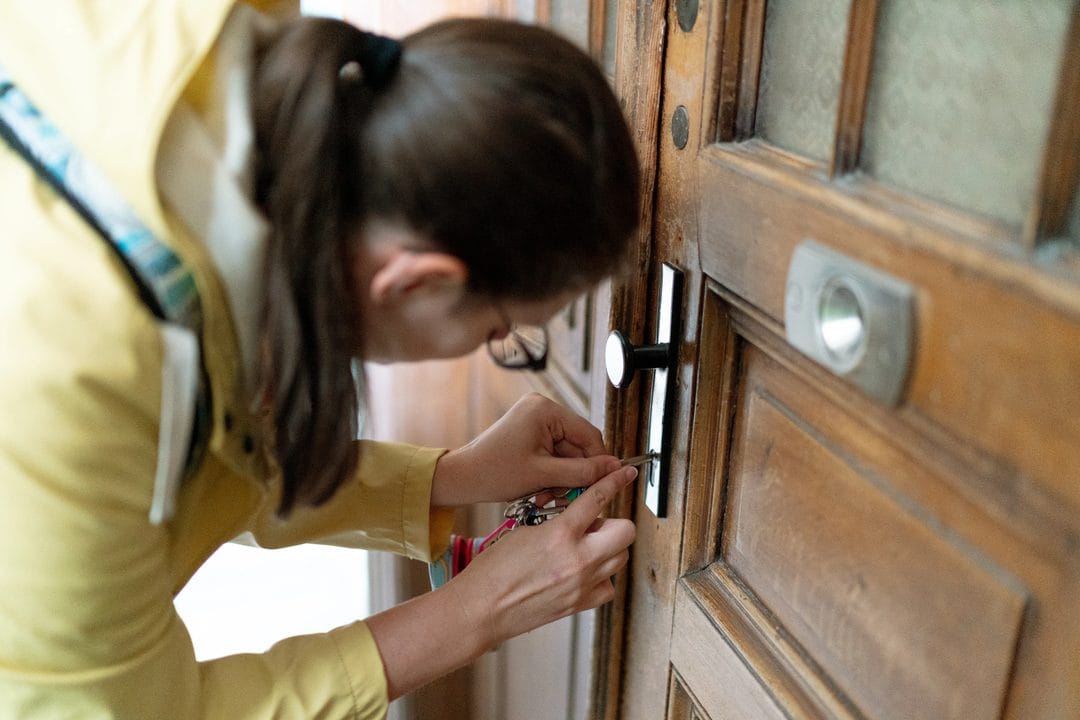
The car is packed, the passports are on the passenger seat, and somewhere between double-checking the boot and reversing off the drive, most people forget the one thing that actually decides whether the next fortnight is a proper break or a slow-burn worry: what happens to the house and the garden while nobody's home. School summer holidays have just started across England and Wales, which means thousands of front doors are about to sit locked for a week or two at exactly the point in the year when a garden needs the most attention and a house looks the most obviously empty. Sorting both properly takes an afternoon. Sorting neither takes about the same amount of time to regret, usually somewhere around day four of a week away, when you're picturing tomato plants collapsed in their grow bags and wondering whether you actually locked the side gate. None of what follows is complicated, and none of it needs specialist kit — a lot of it is timing and about twenty minutes of prep the evening before you leave. What it does need is doing before the boot is loaded, not thought about somewhere over the Channel.
Water First, Because Nothing Else Survives Without It
With hosepipe restrictions still in force across large parts of southern and eastern England this summer, an automatic sprinkler left running on a timer isn't an option even if you own one — most current restrictions cover exactly that. What you're left with is a handful of low-tech, low-water methods that actually keep plants alive for a week to ten days without anyone touching a tap. A capillary matting kit on the draining board, with pots standing on it and one edge trailing into a full sink, will wick water into compost for the best part of a week. For beds and borders, a soaker hose left coiled through the soil and connected to a battery-powered tap timer — Hozelock's AC Plus and Gardena's equivalent both sit around £25 to £40 — will run a short, timed pulse once a day without anyone remembering to turn a valve. Group pots together in a shaded spot rather than leaving them spread across a sunny patio; close together, they shade each other's compost and lose noticeably less moisture over a warm week. Hanging baskets are the exception worth planning around separately, since they dry out faster than anything at ground level and a single soaker hose won't reach them at all. For those, a Blumat spike or a jam jar of water with a length of cotton wick threaded into the compost will keep them ticking over, even if it looks slightly makeshift hanging off the bracket.
Do this before you leave, not the morning you're loading the car: give everything a deep soak the night before, mulch bare soil with grass clippings or bark to slow evaporation, and move anything in a terracotta pot — which dries out fastest of all — into part shade. One exception worth knowing: Mediterranean plantings like lavender, rosemary and santolina actually cope better with two weeks of neglect than with someone's well-meaning neighbour overwatering them "just in case" — those roots rot in wet compost far faster than they wilt in dry.
Cut the Lawn Higher, Not Lower
The instinct before going away is to give the lawn one last short cut so it "lasts" longer. Don't. A lawn scalped to 15mm has no shade over its own roots and browns off within days in a dry spell, whereas the same lawn left at 35–40mm — one notch higher than usual on the mower — keeps enough leaf cover to shade the soil and keeps its colour through a proper heatwave. Leave the clippings on the lawn for this final cut rather than boxing them off; a thin layer breaks down fast and acts as a rough mulch. If rain is forecast for the week you're away, that's the one scenario where a slightly closer cut is fine — the grass will recover on its own.
Turning Houseplants Into Their Own Miniature Greenhouse
Houseplants suffer worse than the garden on a two-week absence, because a centrally heated house with no one opening windows gets hotter and drier than the air outside. The classic fix still works: line the bath with an inch or two of water and towels, stand the pots in it, and close the bathroom door most of the way to keep humidity in — most houseplants will happily sit like that for a fortnight. For anything too large to move, self-watering spikes or glass watering globes (Blumat's terracotta cones are the reliable choice, and reusable) push water out slowly as the compost dries, which beats leaving a pot sitting in a saucer of standing water — that just drowns the roots instead.
Making an Empty House Look Occupied
Empty bins left kerbside by the front door tell a burglar more than any alarm sticker in the window ever will.
A socket timer on a lamp and a radio — Timeguard's plug-in timers cost around £8 to £15 each from Screwfix or B&Q — set to switch on at dusk does more for a house's appearance than leaving a hallway light on for a fortnight, which just reads as exactly what it is. Ask a neighbour to bring the wheelie bin in after collection day, move any car parked on the drive occasionally if you can arrange it, and leave curtains as they'd normally be at that time of day rather than fully drawn, which is its own giveaway. Royal Mail's redirection or "Keepsafe" holding service is worth the roughly £30–£40 for a fortnight if you don't have anyone popping round — a stuffed letterbox is one of the clearest signs a house has been empty for a week. And resist posting holiday photos publicly while you're still away; save the album for when you're back on your own drive.
What to Actually Ask a Neighbour or House-Sitter to Do
A vague "keep an eye on the place" request achieves almost nothing, because nobody knows what "an eye" is supposed to catch. Organise something specific instead:
- Water the tomatoes and any hanging baskets every three days, not daily — overwatering while you're away is more common than underwatering.
- Open the greenhouse or cold frame vents in the morning and close them in the evening, since a sealed greenhouse in a heatwave can hit 45°C and cook everything inside it by lunchtime.
- Bring in the bins, and take a look through the letterbox for anything that shouldn't be there.
- If it's a proper house-sit rather than a favour, leave a note with the stopcock location, the fuse box, and your vet or emergency contact — the sort of thing that's obvious to you and completely unknown to anyone else standing in your kitchen for the first time.
The One Phone Call Most People Skip
Most UK home insurance policies include an unoccupied property clause, and it catches people out because the definition of "unoccupied" varies by insurer — commonly anywhere from 30 to 60 days before cover conditions change, though a growing number of policies now specify shorter periods or extra excesses for shorter absences too. Check your policy documents, not your memory of what you were told when you took the policy out, because the small print gets updated at renewal and rarely gets reread. If you're away for more than a couple of weeks, it's worth a five-minute call to confirm you're covered as normal — the alternative is finding out you weren't after a burst pipe has already ruined a kitchen ceiling.
Coming Home: The First Hour Matters
Walk the garden before you unpack the car. Check the greenhouse or polytunnel first if you have one — that's where damage shows fastest, and a few dead or scorched plants at the back are easier to deal with on day one than after a week of ignoring them while you catch up on washing. Deadhead anything that's gone over, give containers a proper soak rather than a token splash, and check hanging baskets particularly closely; they dry out faster than anything else in the garden and are usually the first casualty. Inside, check the fridge and freezer are still running properly, run the taps for a minute before drinking from them if the water's been standing, and give the lawn a look before deciding whether it needs a first cut or another week to recover. Most of it will have coped better than you expected. The bit that hasn't is usually the one thing nobody thought to ask the neighbour about.