By late June the garden has stopped being a project and started being a place you actually want to sit in — which is precisely when most people stop watering properly. Six weeks of dry, bright weather is normal for southern England now, and the plants that suffer first are the ones you put in this spring with the best intentions. A new hydrangea, a freshly turfed lawn, a row of runner beans you started from seed: all of them are still building roots, and all of them will sulk or die in a hot spell if you treat them the way you treat an established border. The good news is that midsummer watering is less about quantity and more about timing, depth and a couple of cheap habits that genuinely change how a garden copes through to September.
Water deep and rarely, not little and often
The single most common mistake is a daily five-minute sprinkle that wets the top centimetre of soil and nothing else. Roots follow moisture, so shallow watering trains them to stay near the surface where they bake the moment you skip a day. Instead, soak the ground properly two or three times a week. For an established shrub that means roughly 10 litres delivered slowly enough to sink in rather than run off — about a watering can and a half, or a hose on a gentle flow for a couple of minutes per plant.
Timing matters more than people admit. Water in the early morning, ideally before seven, when the soil is cool and evaporation is low. Evening watering works too, but wet foliage sitting overnight invites slugs and fungal problems like powdery mildew, which is already a menace on courgettes and roses by July. Never water in the full midday glare: most of it evaporates before it does any good, and you waste both time and money if you are on a meter.
There is one honest exception to the deep-and-rare rule. Pots and hanging baskets dry out fast in summer wind and may genuinely need water every single day, sometimes twice. A terracotta pot in full sun can lose its moisture by mid-afternoon no matter how thoroughly you soaked it at breakfast.
What to water first when the hose is restricted
Several English water companies brought in hosepipe restrictions during the dry summers of recent years, and the trend is towards earlier, longer ones. If a Temporary Use Ban lands in your area, you can still use a watering can filled from a tap or a butt, so it pays to know your priorities before you are forced into them.
- Anything planted this year — new trees, shrubs and perennials have not yet rooted out and will die without help, whereas a ten-year-old hedge can usually ride out a drought on its own.
- Containers and baskets, because they have no reservoir of soil to draw on.
- Leafy crops and anything fruiting now: tomatoes, beans, courgettes and salad leaves all bolt or split if they swing between bone-dry and soaked.
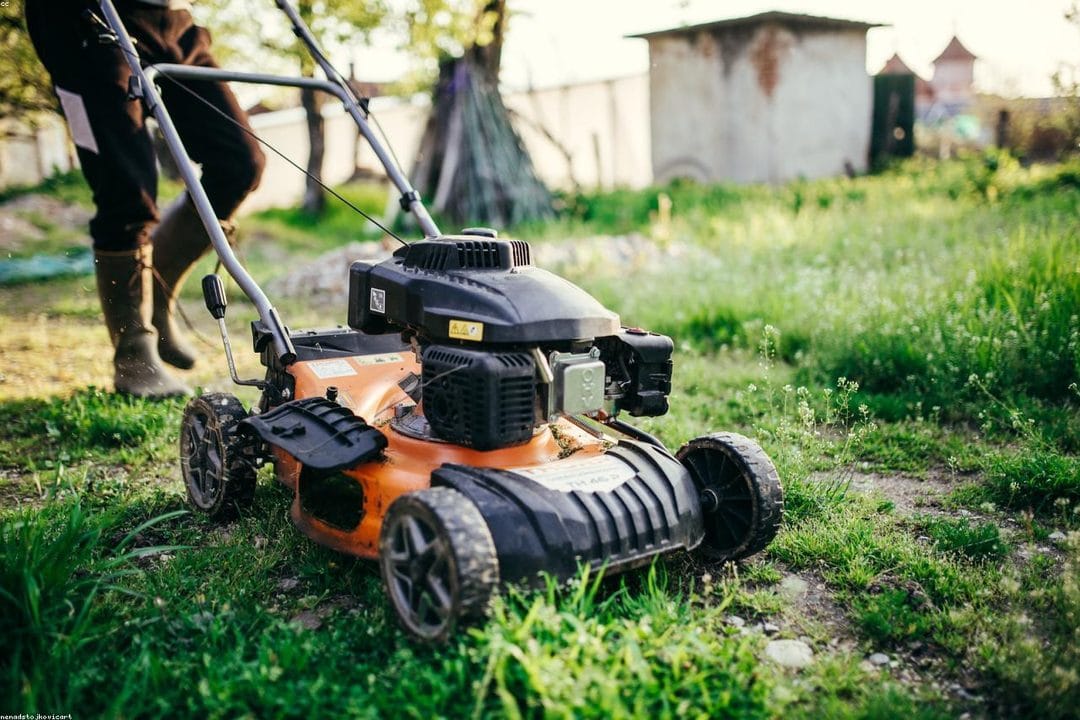
- Established lawns come dead last. A brown lawn in August is not a dead lawn — grass goes dormant and greens up again within a fortnight of the first proper rain, so watering it is almost always wasted effort.
Our recommendation is blunt: let the lawn go gold and put every drop into the plants that cannot recover on their own.
Mulch is the cheapest watering tool you own
A 5–7 cm layer of mulch over damp soil can roughly halve how quickly that soil dries out, and it smothers the weeds that would otherwise compete for the same water. The trick is to apply it onto soil that is already wet — mulching dry ground just locks the dryness in.
What actually works
Bark chippings from B&Q or Wickes cost somewhere around £5–£8 for a 50–70 litre bag and look tidy on ornamental beds. For the veg patch, well-rotted garden compost or spent compost from old containers does the same job for nothing. Grass clippings work as a free mulch around established plants too, but spread them thinly — a thick wet mat of clippings turns slimy and starts to smell. Keep all mulch a few centimetres clear of plant stems and tree trunks, because piling it against the bark traps moisture and invites rot.
A water butt earns its keep in a single wet week
Roof runoff is free, unchlorinated and slightly acidic, which suits ericaceous plants like blueberries and rhododendrons better than tap water does. A standard 100–200 litre butt with a diverter costs in the region of £30–£60 from Screwfix or a garden centre, and a single decent downpour fills it. The catch worth naming: butt water can harbour more bacteria than mains water, so it is sensible to use it on ornamentals and soil rather than directly on the leaves of salad crops you will eat raw.
If you are serious about a low-effort summer, pair the butt with a length of porous soaker hose threaded through your borders on a cheap battery timer set for 6 a.m. The kit pays for itself across one season, and you stop standing in the garden at dusk wondering whether you watered the far bed or only thought about it.
Containers, baskets and the pots that always die first
Containers live by different rules entirely, because their roots have nowhere to go hunting for moisture. A peat-free multipurpose compost from a bag tends to be the worst offender: once it dries out completely it turns water-repellent, so the water you pour in runs straight down the gap between the compost and the pot and out of the drainage holes, leaving the rootball bone dry in the middle. If a pot has reached that stage, stand it in a bucket or a tray of water for twenty minutes and let it drink from below until the surface darkens.
Two cheap fixes make a real difference here. Mix some water-retaining granules into the compost when you plant up — a tub from Wickes or a garden centre runs around £6–£10 and lasts a couple of seasons. And group your pots together in a partly shaded spot during a heatwave rather than leaving them scattered in full sun; clustered pots shade each other’s sides and the whole group dries out more slowly. Self-watering planters with a built-in reservoir cost more upfront, but for a south-facing balcony where you cannot water at lunchtime they pay for themselves in plants that survive a working week.
Reading the plant, not the calendar
Plants tell you what they need long before they collapse. Leaves that look slightly grey-blue or feel limp by mid-morning — not just wilting in the afternoon heat, which is normal — mean the roots are short of water. Push a finger or a trowel a few centimetres into the soil near the roots: if it comes up dry and dusty at that depth, water deeply; if it is cool and crumbly, leave it alone. Tomatoes are the great deceivers here, drooping dramatically at 2 p.m. in full sun and standing perfectly upright again by evening with no water at all.
Get the rhythm right in June and the rest of the summer largely looks after itself. Skip it, and you will spend August nursing crisp brown stumps that were thriving plants a fortnight earlier.